Kitchen remodeling
A project-led page built around layout, cabinetry, surfaces, lighting and a realistic planning conversation.
Discuss your project →Oakline turns a contractor website into a visual planning experience — finished spaces, a believable process and a project inquiry that qualifies without overwhelming.
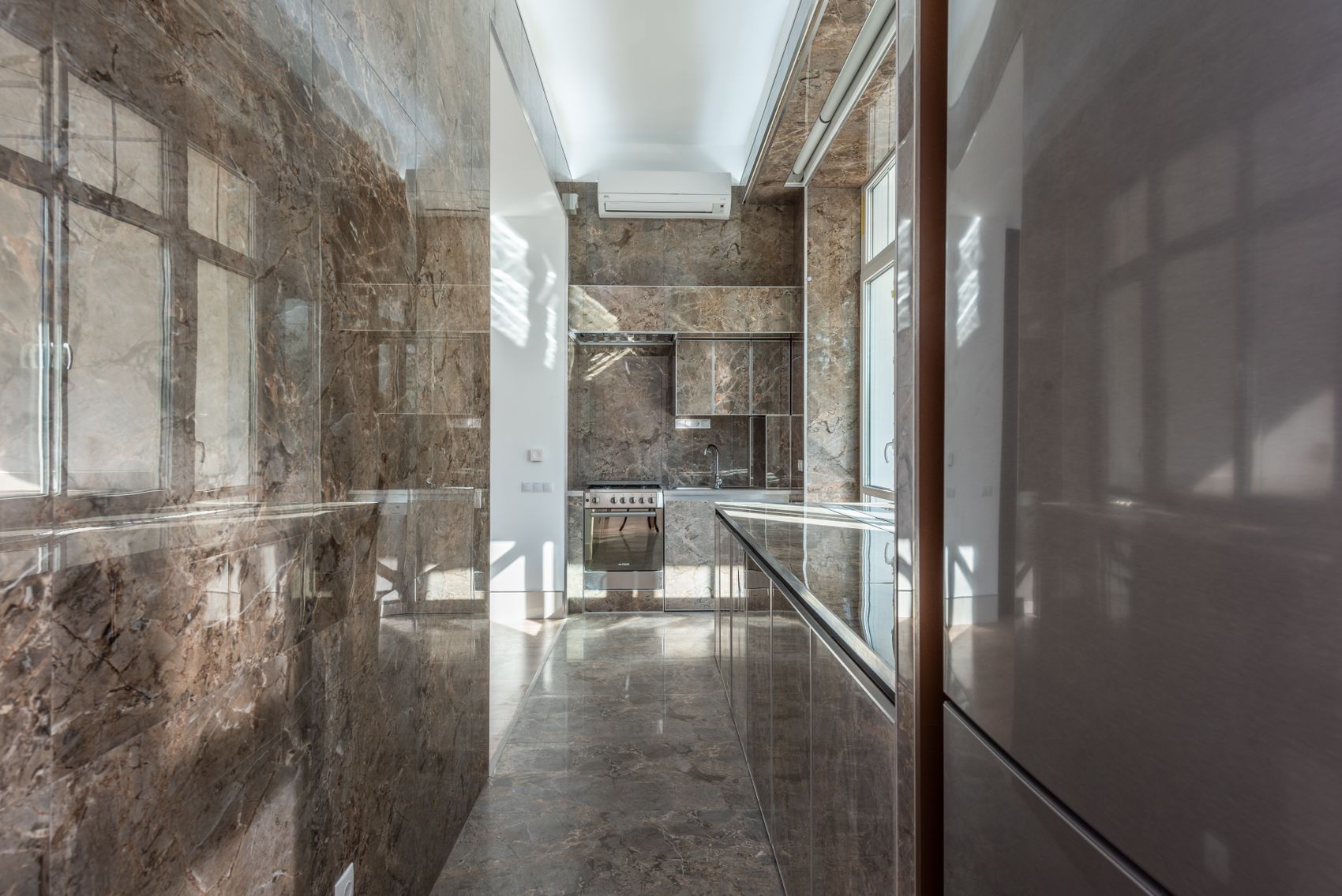 Finished-space inspiration · stock imagery
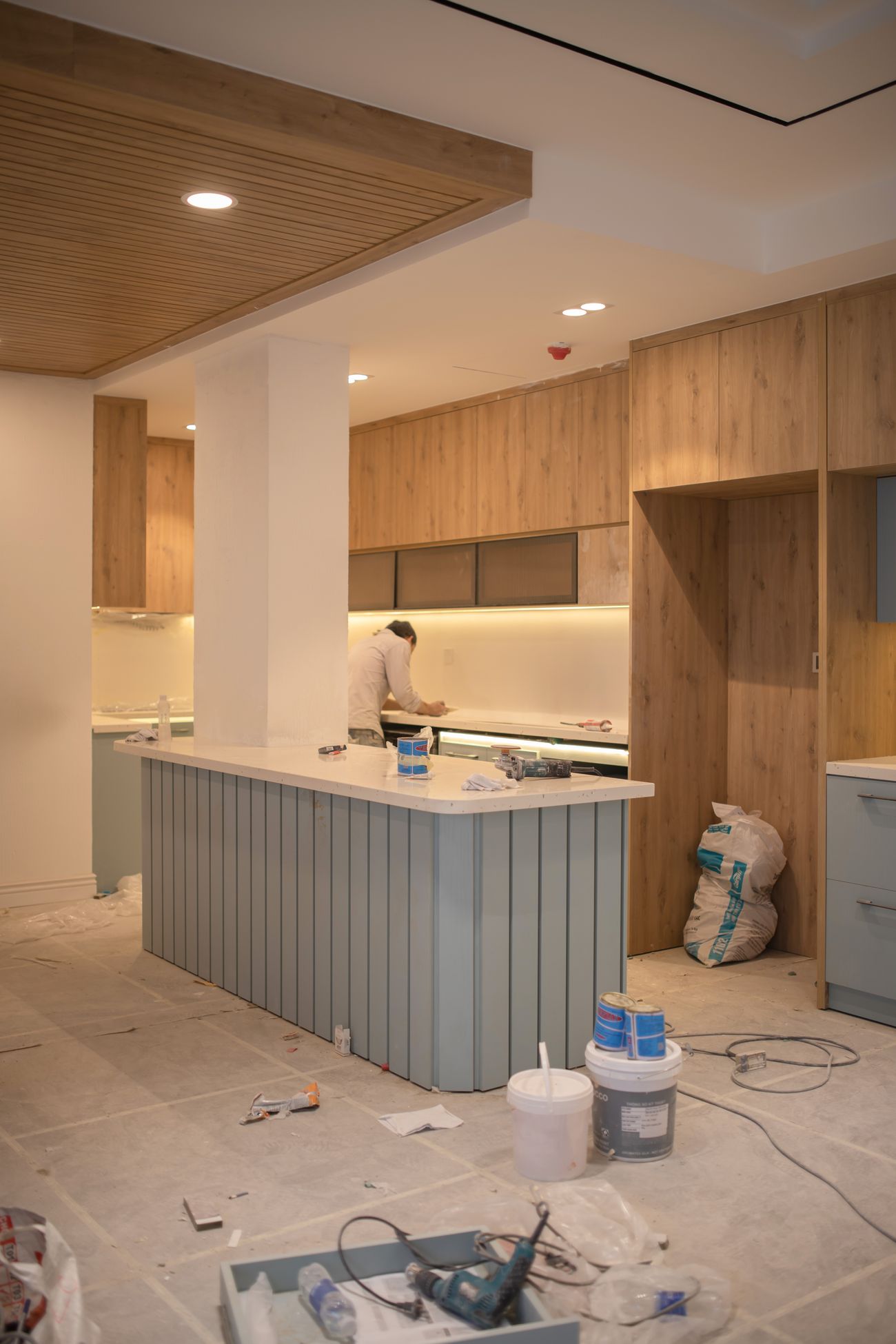 Process matters as much as the reveal
Homeowners need more than a gallery. They need to understand what the contractor handles, how decisions get made and whether their project is a good fit.
A project-led page built around layout, cabinetry, surfaces, lighting and a realistic planning conversation.
Discuss your project →Design and construction presented as one coordinated process rather than a generic list of trades.
Discuss your project →A higher-ticket service path that explains sequencing, planning and decision-making before the estimate.
Discuss your project →A clear route for homeowners changing how the house functions, with space for planning and approvals.
Discuss your project →For a real remodeler, this section would use original before/after photography, actual scope notes and verified client context. Here, stock imagery demonstrates the layout only.
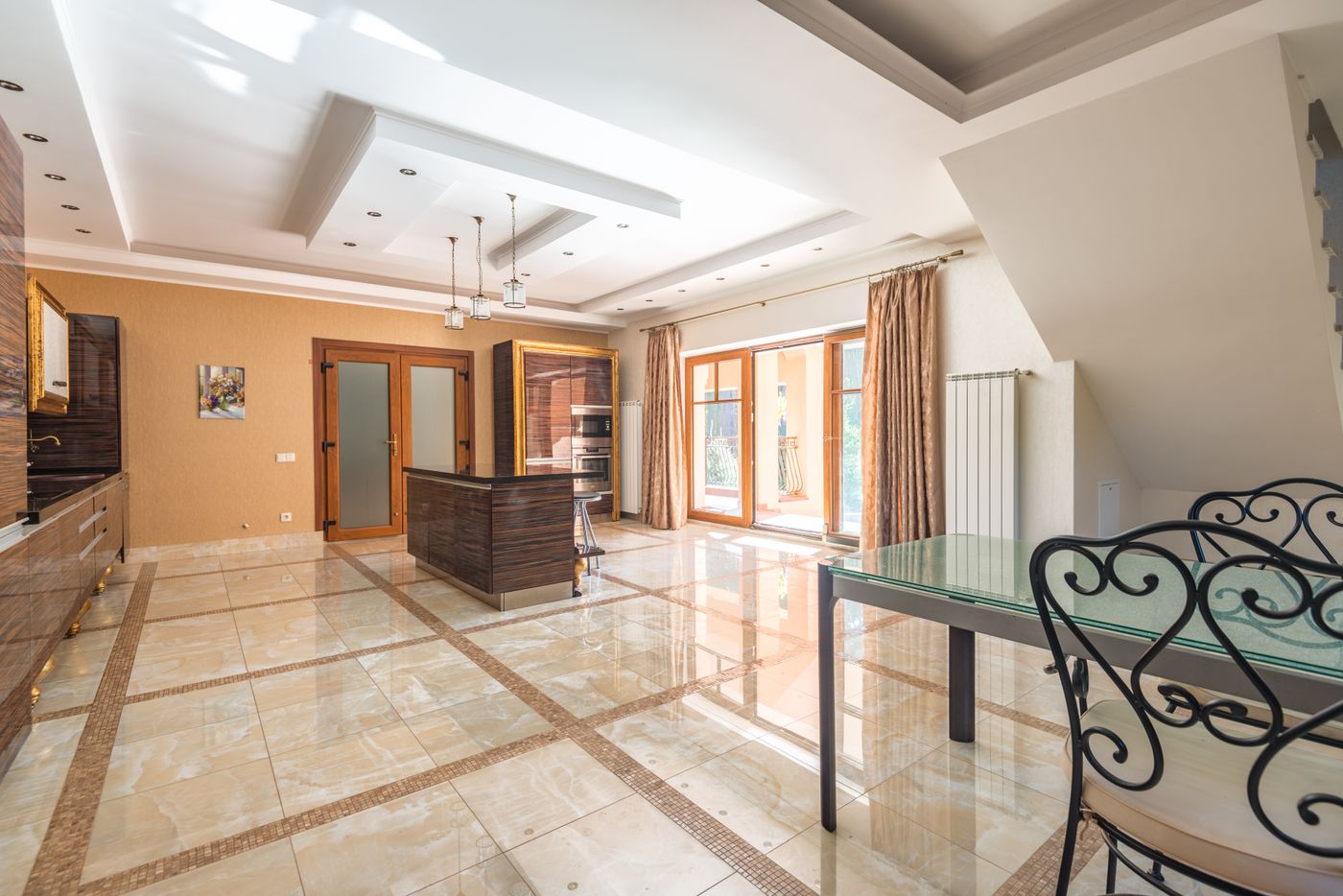
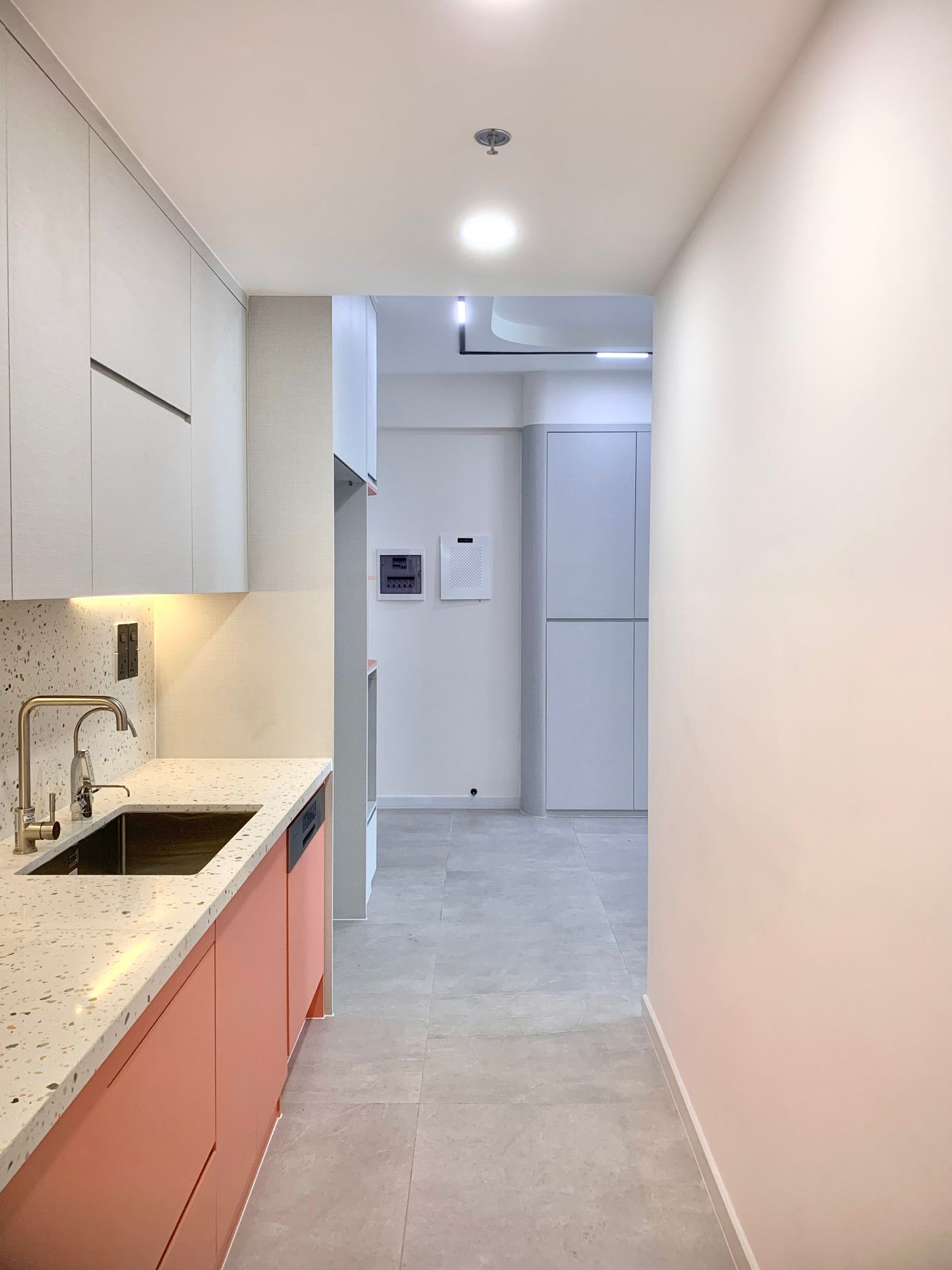
For large home projects, the website should sell organization as much as craftsmanship. A predictable process reduces anxiety before the homeowner ever requests a quote.
Understand the home, priorities, constraints and target investment.
Clarify scope, design direction, selections and project dependencies.
Coordinate the work with clear milestones and communication expectations.
Complete walkthrough, punch list and closeout with the homeowner.
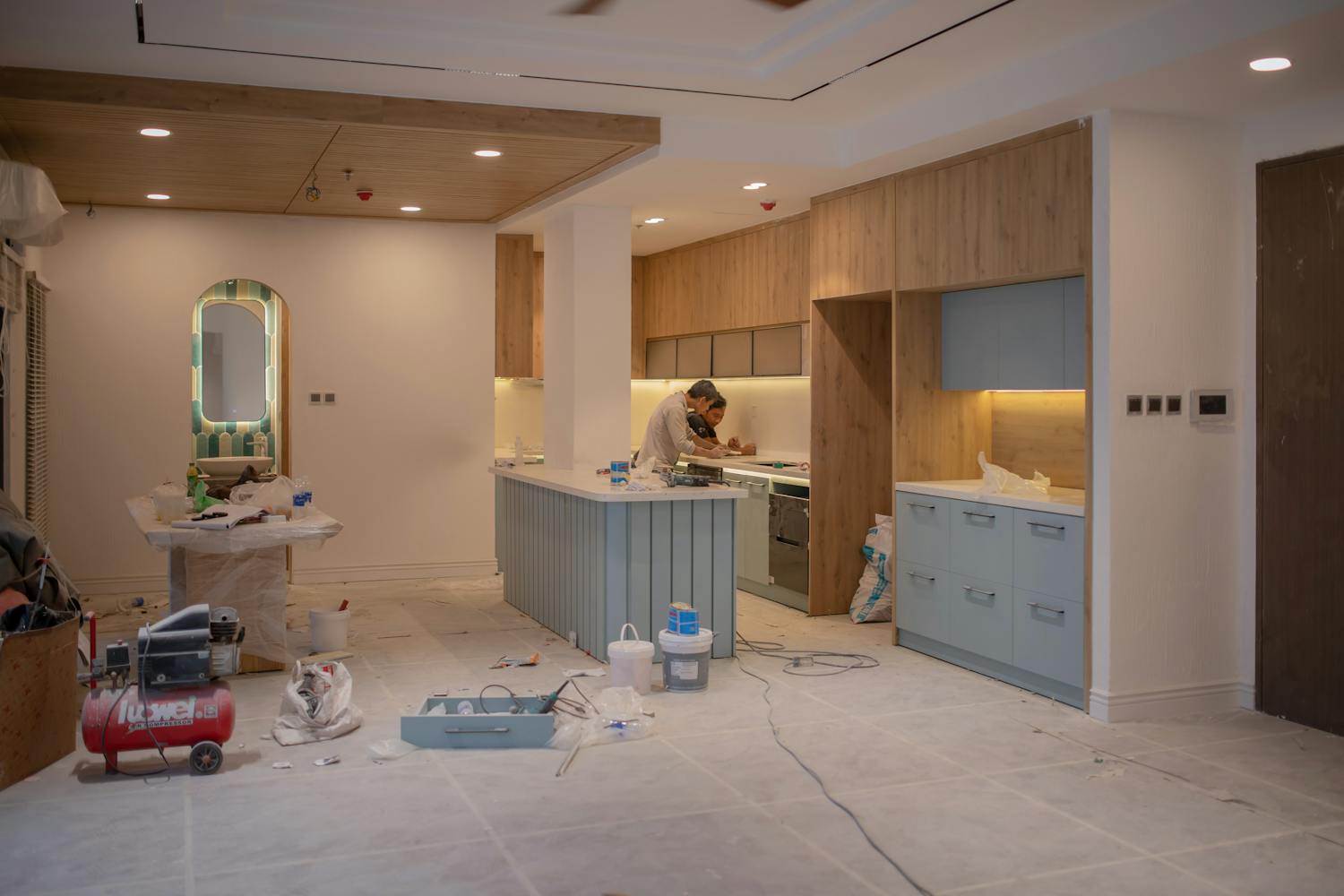
Great remodeler websites show planning, craftsmanship and communication — not just glossy reveals. That is what helps a homeowner believe the contractor can manage the messy middle.
The estimate flow is a demo of how a remodeler can collect enough context for a useful first conversation without making someone fill out a 30-question form.
Plan a project